Isobel Elton

Isobel Elton

The Real Cost of ‘Culture Fit’
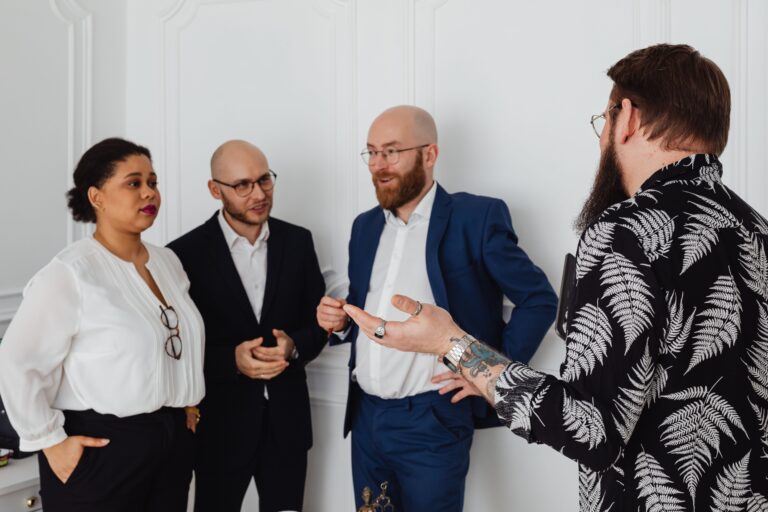
"We're looking for someone who's a great culture fit." It sounds harmless, even positive. But in many organisations, this phrase, often used in hiring and team-building, is quietly costing us more than we realise.
Let's be honest. 'Culture fit' is rarely about shared values or vision. More often, it is a shortcut for "Do you make me comfortable?", or "Do you think, look, or act like me?".


The Silence You Should Be Hearing

We have all been in those meetings. The ones where the brightest mind in the room suddenly goes silent. The engineer who was contributing brilliantly an hour ago has retreated behind a flat expression and folded arms. The analyst who sees patterns nobody else can see stops offering ideas mid-sentence.
As leaders, what do we do?

Why Fitting In Is Biologically Impossible

I have been thinking about exhaustion. Not from working late, but that deep tiredness from spending the entire day editing yourself. We told ourselves this was a personal failing, but the science says otherwise: forcing yourself into a box that was not built for you is biologically impossible. You cannot sustain high performance on a nervous system that is perpetually in fight-or-flight mode.

The Biology of Disagreement

In any team where people think differently, conflict is inevitable. But conflict is not the enemy. The environment that makes conflict feel dangerous is the problem. When organisations talk about psychological safety, they often treat it as a culture initiative. Something to embed through values statements and team charters. But psychological safety is not just a mindset. It is a physiological state.

Difference Is a Doorway, Not a Divide

Difference is not just about opinions or viewpoints. It is woven into our biology, our histories, our cultures, our identities, our neurotypes, and the physical ways we move through the world. When we open ourselves to difference in all its forms, we unlock perspectives that challenge our assumptions and expand our capacity to solve problems we could not see alone.

Community Turns Difference into Strength

Community is not about sameness. It is where differences are seen, respected, and put to work. That is where belonging becomes real, and where progress shows up in everyday life. But here is the truth many gloss over: belonging cannot happen when people are busy managing how they appear.
We all yearn to belong, to feel truly seen and valued for who we are.

Half-Hearted Inclusion Costs More

Inclusion and belonging are too often afterthoughts. Tacked on as superficial add-ons or quick fixes to a problem organisations do not fully want to face. This half-hearted approach is not just ineffective.
When organisations treat inclusion as optional or secondary, they sacrifice creativity, collaboration, retention, and ultimately, their own success.