Power of Difference
The Conversation Nobody Is Having About Belonging...
...Unless We Start It.
Science-backed thinking on neurodiversity, leadership, and what happens when we stop designing for sameness.

A quiet division has formed. Most organisations haven't noticed. On one side, initiatives treating symptoms: wellness budgets for burnout, policies for neuroinclusion, workshops for culture. On the other, the few redesigning the system underneath. The interventions land, then the room goes back to the same lighting, the same governance, the same factory schedule. You cannot train your way out of architecture.

You hired the expert. Ran the workshop. Everyone left with action plans and sticky notes. Three months later, same numbers. Same burnout. Same complaints. The training was never the problem. The managers learned to listen, then went back to a system that punishes slow decisions. The teams learned to speak up, then went back to reviews that punish dissent.

A quiet division has formed. Most leaders haven't even noticed. On one side, organisations still running Industrial Era systems. On the other, those who have already moved. The body learns to brace or settle. The nervous system knows before the mind speaks. They promise flexibility while enforcing rigidity. You cannot mandate trust. You must design for it. The Future of Work: Are You In or Out?
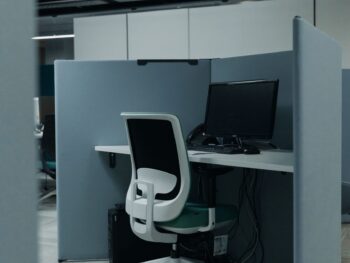
A young person looks at the contract. They look at the assigned space. Their nervous system registers danger. Not threat from work. Threat from the system. Companies measure retention, track productivity. They miss the signal. The body knows before the mind speaks. Every empty chair tells a story. Not of failure. Of preservation. The workforce is living in the future. Your organisation runs the old software.

A leader walks into a meeting. The team hears the question. Their bodies register something else entirely. Cortisol levels synchronise across the group. The room co-regulates or co-dysregulates depending on what the most powerful person is carrying. Companies spend millions developing leaders in every skill imaginable, and ignore the one that determines whether any of it lands. Nervous system literacy.

A colleague delivers brilliant work from home all week. Sharp, responsive, creative. They walk into the office on Monday and by 11am they are pale, distracted, and counting the hours. Their manager notices. The assumption always writes itself: they are avoiding something. But what if the opposite is actually true? What if the office is the variable, not the person?

A 23-year-old sends a Slack message at 11pm and thinks nothing of it. Their 52-year-old manager sees it, flinches, wonders whether they should respond. A Boomer schedules a 9am Monday meeting. Half the team resents the invasion of their slow-start morning. Nobody is technically wrong. Everyone is doing their job. And yet the team bleeds energy from a thousand invisible cuts.
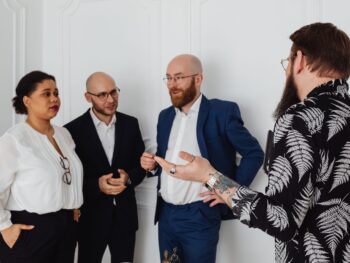
"We're looking for someone who's a great culture fit." It sounds harmless, even positive. But in many organisations, this phrase, often used in hiring and team-building, is quietly costing us more than we realise. Let's be honest. 'Culture fit' is rarely about shared values or vision. More often, it is a shortcut for "Do you make me comfortable?", or "Do you think, look, or act like me?".

We have all been in those meetings. The ones where the brightest mind in the room suddenly goes silent. The engineer who was contributing brilliantly an hour ago has retreated behind a flat expression and folded arms. The analyst who sees patterns nobody else can see stops offering ideas mid-sentence. As leaders, what do we do?

I have been thinking about exhaustion. Not from working late, but that deep tiredness from spending the entire day editing yourself. We told ourselves this was a personal failing, but the science says otherwise: forcing yourself into a box that was not built for you is biologically impossible. You cannot sustain high performance on a nervous system that is perpetually in fight-or-flight mode.

In any team where people think differently, conflict is inevitable. But conflict is not the enemy. The environment that makes conflict feel dangerous is the problem. When organisations talk about psychological safety, they often treat it as a culture initiative. Something to embed through values statements and team charters. But psychological safety is not just a mindset. It is a physiological state.

Difference is not just about opinions or viewpoints. It is woven into our biology, our histories, our cultures, our identities, our neurotypes, and the physical ways we move through the world. When we open ourselves to difference in all its forms, we unlock perspectives that challenge our assumptions and expand our capacity to solve problems we could not see alone.

Community is not about sameness. It is where differences are seen, respected, and put to work. That is where belonging becomes real, and where progress shows up in everyday life. But here is the truth many gloss over: belonging cannot happen when people are busy managing how they appear. We all yearn to belong, to feel truly seen and valued for who we are.

Inclusion and belonging are too often afterthoughts. Tacked on as superficial add-ons or quick fixes to a problem organisations do not fully want to face. This half-hearted approach is not just ineffective. When organisations treat inclusion as optional or secondary, they sacrifice creativity, collaboration, retention, and ultimately, their own success.